
Why you react to 'everything' – histamines and the reactive body
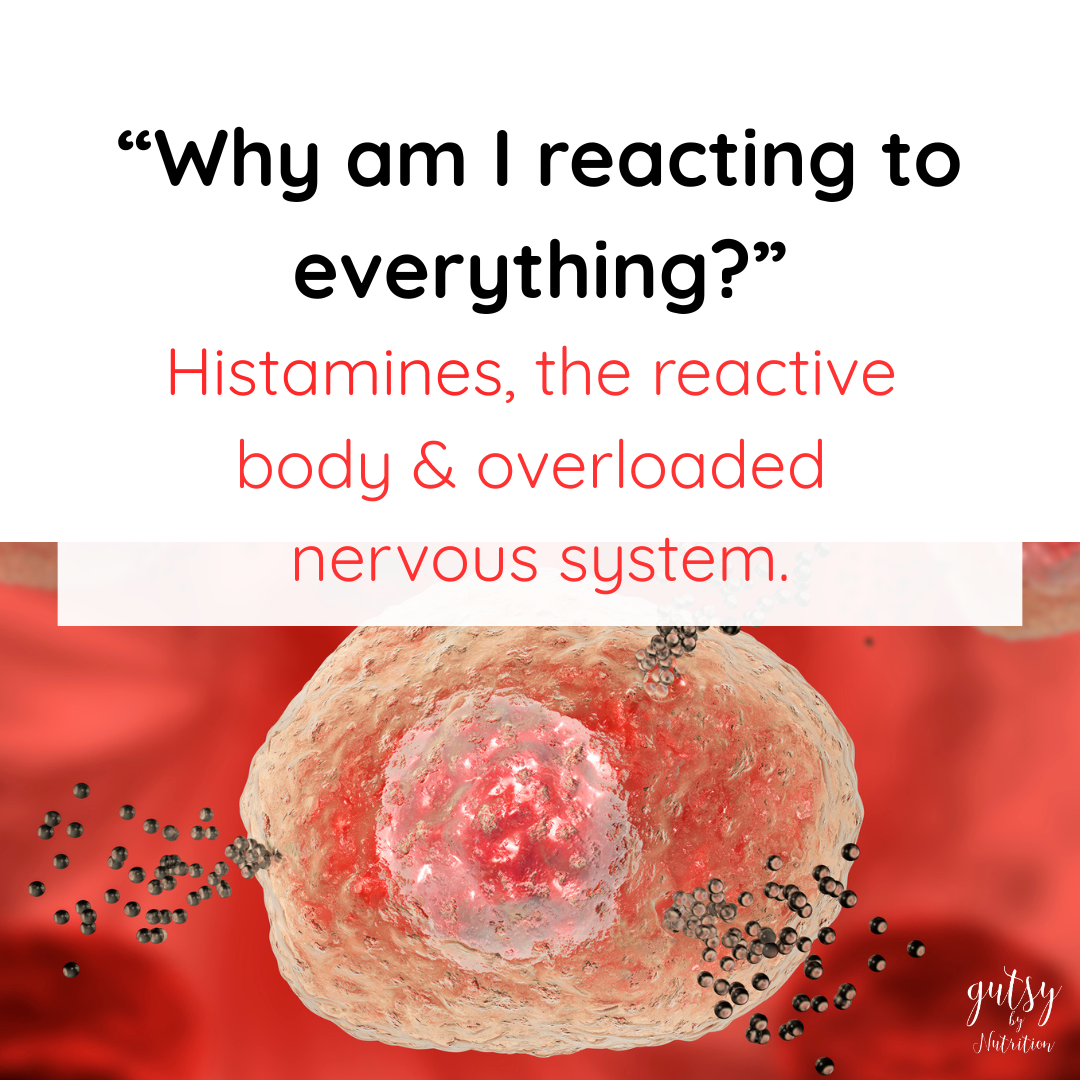
Have you ever felt like your body suddenly became ‘too sensitive’?
Foods you used to tolerate now trigger symptoms. Supplements feel too strong. Alcohol wipes you out. Stress creates physical reactions. Your skin flares, your heart races, your gut reacts, and your nervous system feels permanently overwhelmed.
For many people, histamines may be part of the picture.
But histamine issues are often misunderstood.
This isn’t simply about avoiding tomatoes or taking antihistamines forever. In many cases, histamine overload is a sign that the body — particularly the nervous system, immune system and gut — has become overwhelmed and lost resilience.
What Are Histamines?
Histamine is a natural chemical made by the body.
It plays important roles in
immune defence
inflammation signalling
gut function
brain communication
circulation
hormone responses
Histamine itself is not the problem. We need it.
Problems begin when histamine levels become excessive, or when the body struggles to break histamine down efficiently.
This can create a wide range of symptoms that often seem disconnected at first.
What Histamine Overload Can Look Like
Histamine-related symptoms can affect almost every body system.
Some of the most common ones include
flushing or itchy skin
hives or rashes
sinus congestion
headaches or migraines
bloating, reflux or diarrhoea
anxiety or panic-like sensations
dizziness
racing heart or palpitations
insomnia or waking during the night
food sensitivities
worsening symptoms around hormonal changes
Many people describe feeling ‘wired but tired’ – as though their body is stuck in a constant state of alertness.
Why Are So Many People Developing Histamine Issues?
Histamine problems rarely occur in isolation.
Usually there are deeper drivers contributing to the overload.
1. Nervous System Overload
This is one of the most underappreciated pieces.
Years of chronic stress, hypervigilance, caregiving, emotional suppression, overworking, trauma or ‘pushing through’ can keep the nervous system locked in survival mode.
Over time, this may influence:
immune regulation
mast cell activity
inflammation signalling
vagal tone
gut integrity
digestive capacity
Eventually the body loses some of its ability to absorb stressors without reacting.
The system becomes more sensitive.
2. Gut Dysfunction & Dysbiosis
The gut plays a major role in histamine regulation.
Certain gut bacteria can produce histamine, while gut inflammation may impair the body’s ability to clear it effectively.
Gut infections, dysbiosis, antibiotics, mould exposure, IBS-type symptoms and chronic inflammation can all contribute to a more reactive internal environment.
Intestinal permeability, or leaky gut, can mean inflammation in the gut goes system wide.
3. Hormonal Changes
Oestrogen can stimulate histamine release, while histamine can also influence estrogen signalling.
This is one reason histamine symptoms often worsen:
before periods
during perimenopause
during hormonal fluctuations
Many women notice they suddenly become more reactive during midlife, even if they tolerated everything previously.
4. Total Stress Load
Histamine overload is often less about one single trigger — and more about the total burden the body is carrying.
Poor sleep. Emotional stress. Inflammation. Environmental exposures. Nutrient depletion. Overtraining. Burnout. Processed foods. Mould. Infections.
Eventually the ‘bucket’ overflows.
Why Random Supplements Often Don’t Work
Many highly reactive people aren’t failing because they ‘haven’t found the right supplement yet.’
Sometimes the body simply does not have enough safety, regulation and resilience to tolerate aggressive interventions.
This is why healing often requires a more layered approach:
calming the nervous system
improving sleep and recovery
supporting gut repair
stabilising blood sugar
reducing inflammatory load
correcting mineral imbalances
supporting detoxification gently
rebuilding tolerance slowly
The goal is not just symptom suppression.
The goal is helping the body feel safe enough to regulate again.
What Can Help Histamine Issues?
Everyone is different, but supportive strategies often include
improving gut health, including rebalancing and healing and digestive cysfunction
reducing chronic stress load
nervous system regulation practices
reducing highly processed foods
identifying hidden triggers
improving sleep quality
supporting mineral balance
lowering inflammation
cautious, individualised supplementation
addressing mould or environmental exposures where relevant
Some people benefit temporarily from lowering high-histamine foods, but long-term healing usually requires addressing the deeper terrain beneath the reactions.
The reactive body can be healed
A reactive body is often an overwhelmed body.
But symptoms are not always random. Sometimes they are the body’s attempt to communicate overload, inflammation, depletion and chronic survival stress. It wasn’t until I healed my leaky gut (intestinal permeability), and subconscoius patterns, that my constant itchiness went after a prawn food poisoning event.
Importantly, many people improve significantly when those deeper systems are supported properly.
Healing may not require fighting your body harder.
Sometimes it begins by listening to what it has been trying to say all along.