
Why I work differently
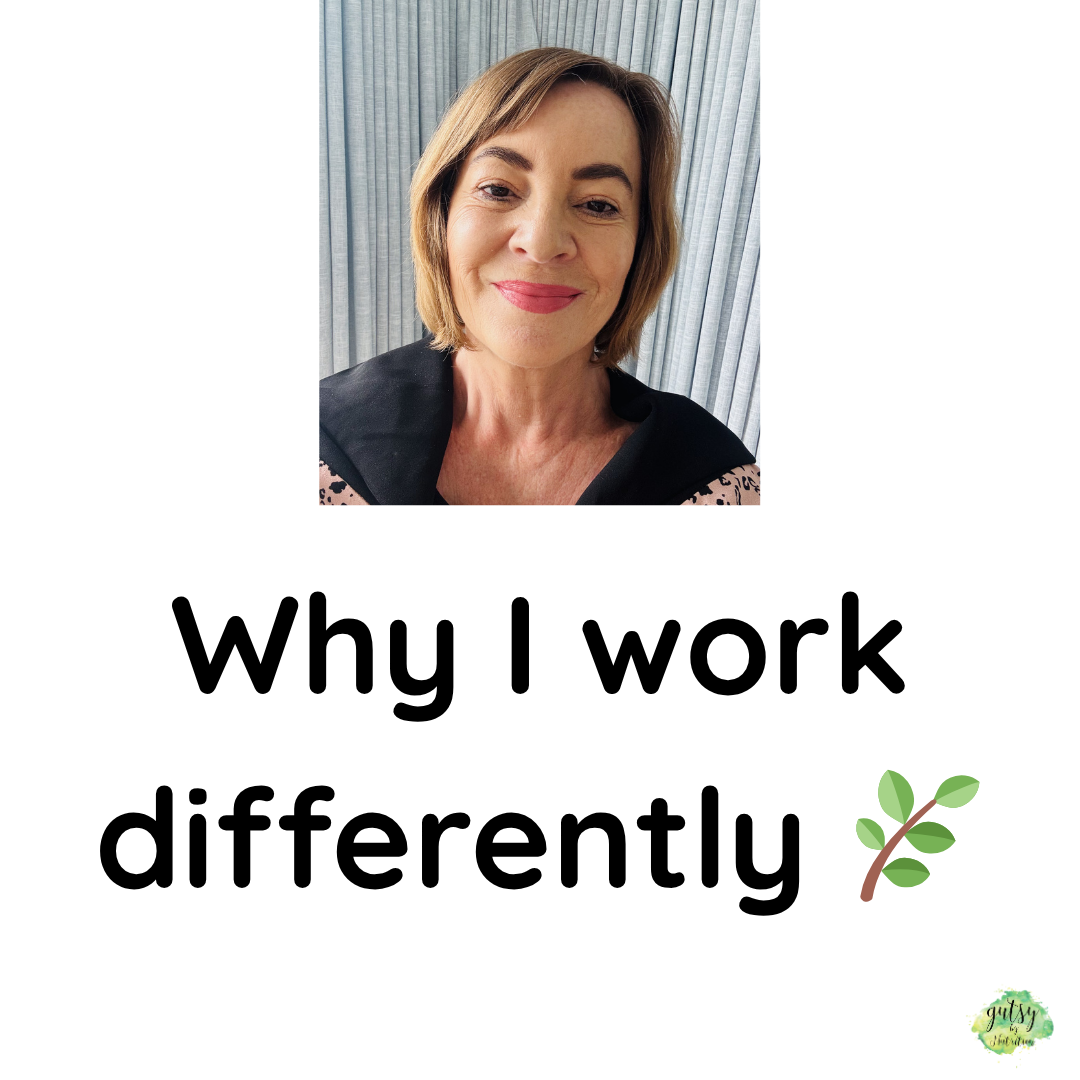
For a long time, I was the ‘complex case.’
The person with symptoms that didn’t seem to fully make sense together.
The person trying to function while my body became increasingly reactive, inflamed, exhausted, and unpredictable.
I dealt with issues including
IBS and digestive symptoms
food sensitivities
fatigue
inflammation
migraines
chronic pain
numbness and nerve symptoms
hormonal changes
mould illness and environmental sensitivities
Yet despite searching for answers, I was often left with more questions than clarity.
Many things helped temporarily.
Some things didn’t help at all.
And much of the time, I felt like I was piecing things together myself.
That experience fundamentally changed the way I now work with clients.
Because I understand what it feels like when symptoms don’t fit neatly into a box.
When your body reacts differently from everyone else’s.
When testing doesn’t fully explain what you’re experiencing.
And when you feel like you’ve already tried “everything.”
My own health journey led me into studying
functional nutrition
targeted testing
gut and immune health
nervous system physiology
root-cause investigation
hormones and metabolism
mind-body medicine
Psych-K and subconscious stress patterns
I became deeply interested in understanding how multiple systems within the body interact – because in complex chronic illness, symptoms are rarely caused by just one isolated issue.
Over time, however, I began noticing something else.
Many people could improve physically, but never fully resolve.
The body remained
reactive
stress-sensitive
inflamed
overwhelmed
easily triggered by foods, supplements, environments, or stress
Even when ‘everything physical’ appeared to be addressed.
This led me to look more deeply at the role of
chronic nervous system activation
survival physiology
subconscious stress patterns
hypervigilance
emotional stress
the mind-body connection
Because sometimes the body continues operating from a state of protection long after the original stressors have passed.
This is one reason I now integrate Psych-K into my work where appropriate.
Not as ‘positive thinking’ or simplistic mindset work.
But as part of understanding why some systems remain stuck in chronic stress responses even when many physical factors are being addressed.
The longer I’ve worked in this field, the more I’ve come to see chronic illness as deeply interconnected.
Gut health affects hormones.
Stress affects immunity.
Inflammation affects the nervous system.
The mind affects physiology.
Environmental exposures affect resilience.
The body does not function as separate isolated parts.
This is why I work differently.
Rather than chasing symptoms individually, I focus on understanding the broader patterns driving dysfunction within the whole system.
That may include exploring
gut and digestive health
inflammation and immune burden
food and supplement sensitivities
mould and environmental exposures
nervous system state
hormonal and metabolic function
nutrient and mineral status
stress physiology
subconscious survival patterns
Because many chronic symptoms make much more sense once the bigger picture begins to emerge. And often, that is where healing truly begins.
If you feel like you’ve tried everything but still aren’t getting answers, you are not alone. Sometimes the missing piece is not another generic protocol — but a more integrated understanding of what your body is actually trying to communicate.
Free Chronic Symptom Review available here